


October 8, 2026 · Metro Cabinet Company Design Team · Trends · Design Trends · Paint
Trend to Try: Color Drenching a Kitchen
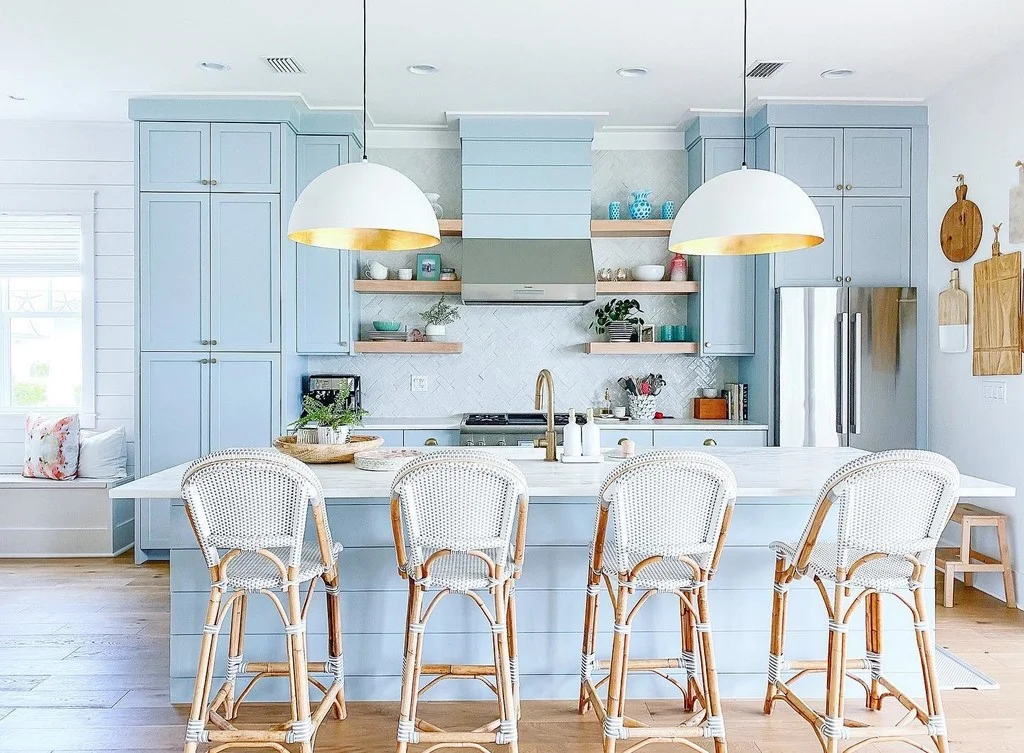
As interior design moves away from cool grays and stark whites toward warmer, character-filled spaces, you may have heard designers talking about “color drenching.” In the heart of the home, color drenching means wrapping the entire space in a single, cohesive hue; coating the walls, trim, ceiling, range hood, and cabinetry for a high-impact, seamless aesthetic.
Lighter shades can brighten a layout and make a smaller kitchen feel expansive, while darker tones add moodiness, warmth, and architectural drama. Whatever palette you choose, keep these key factors in mind before you start your kitchen transformation.
Color Schemes for a Color-Drenched Kitchen
Choosing a color is one of the most important decisions when color-drenching a kitchen. The goal is to create a cohesive look that reflects your style while complementing the room’s existing features.
- Olive green: An earthy, versatile choice for a kitchen with a natural, grounded aesthetic. Pair olive cabinets with matching walls and trim for a cohesive look.
- Deep blue: A rich blue palette creates a bold, dramatic atmosphere when extended across cabinetry and surrounding walls.
- Warm neutrals: Cream, beige, and soft taupe offer a more understated approach, creating a unified look without relying on stark white contrasts.
- Terracotta and muted pink: These warmer shades bring personality and visual warmth to a kitchen, creating an alternative to traditional neutral palettes.
When selecting a color, consider how it will work with your kitchen’s flooring, countertops, and adjoining rooms. The right shade should complement these existing features while allowing the cabinetry and surrounding surfaces to feel connected.
Creating Depth in a Monochromatic Kitchen Design
A monochromatic kitchen design doesn’t have to rely on one identical shade across every surface. Using lighter and darker tones within the same color family adds dimension while maintaining a cohesive look. For example, pale gray walls can complement charcoal cabinetry, while cream cabinets paired with warmer beige walls create a softer, layered palette.
Undertones also influence how the finished kitchen feels. Warm whites and creamy beiges create a different atmosphere from cool whites and blue-based grays, so consider how your chosen shades work together before committing to a palette.
To keep a monochromatic kitchen from looking flat, incorporate materials with natural variation and contrasting textures. Subtle marble veining, textured tile, wood grain, and differences between matte and glossy surfaces can introduce visual interest without disrupting the overall color scheme.
Optimizing Lighting for a Color-Drenched Kitchen
Lighting, both natural and artificial, plays a pivotal role in any successful monochromatic kitchen design. Consider whether your kitchen relies on large windows, under-cabinet task lights, island pendants, or recessed ceiling fixtures.
Lighting dramatically impacts how a single color reads throughout the day and across different surfaces. It also dictates the paint sheens you choose: pairing a matte finish on the walls with satin or semi-gloss on high-touch surfaces reflects light effectively while maintaining a unified palette.
Styling Color-Drenched Cabinets and Hardware
Your cabinetry takes up the most visual real estate in the room, making color-drenched cabinets the defining anchor of this look. Extending the same paint color from the walls directly onto your upper and lower cabinets creates an effortlessly sleek, custom feel.
When it comes to cabinet hardware, you have two primary styling directions:
-
Tonal Alignment: Choose hardware painted or coated in the same shade as your cabinet fronts for a minimal, fully drenched aesthetic.
-
High-Contrast Accents: Choose metallic finishes that pop against your chosen paint shade—such as polished brass hardware on navy cabinets, unlacquered copper on deep forest green, or glass pulls on warm sage.
Coordinating Kitchen Furniture and Decor
Even with a unified wall and cabinet envelope, your furniture and accents determine how grounded the space feels.
If you want a complete monochrome look, select barstools, counter seating, and open shelving in matching or closely aligned tonal shades. If you prefer a bit of contrast, natural materials—like a warm oak island top, woven leather barstools, or stone counter accessories—will add tactile texture and depth while letting your drenched backdrop shine.
Need help determining whether the color-drenching trend is right for your project?
Our team is always happy to help.
Give us a call at (941) 377-8777.

Beautiful design has the power to transform lives
-Billue Guignard

